By Michael Henley, CFP®, CPWA®, CRPC®, RMA®
If retirement is within five years, the insurance decisions you make today may shape your financial picture for decades. This guide explains the key coverage risks pre-retirees face, and how a coordinated approach to risk management can help protect the wealth you have spent your career building.
Ready to close your coverage gaps? Schedule a Consultation, or call us at (484) 785-0050
Why This Window Matters: The Pre-Retirement Risk Window
Insurance and risk management for pre-retirees refers to the process of identifying, evaluating, and addressing coverage gaps during the five-year period before leaving the workforce. This phase is uniquely critical because employer-sponsored benefits are still available but will soon end, long-term care insurance is still attainable at preferred rates before health changes occur, and a single uninsured risk event can permanently alter a retirement income plan that has taken decades to build.
According to the Employee Benefit Research Institute, healthcare costs represent one of the largest variable expenses in retirement, with the majority of retirees underestimating what they will spend on medical care. Addressing insurance coverage before retirement, while options are broadest and premiums are most favorable, may help reduce this exposure significantly, though individual results will vary based on health status, coverage elected, and claims experience.
At Brandywine Oak, our approach to insurance and risk management is integrated into each client's comprehensive Family Wealth Plan rather than treated as a standalone purchase decision. That integration matters: an insurance choice made in isolation may solve one risk while creating another.
The 5 Core Risk Categories for Pre-Retirees
- Health Coverage Gap — The period between employer coverage ending and Medicare eligibility at 65.
- Long-Term Care Exposure — The potential cost of extended nursing, assisted living, or home care needs.
- Disability Income Risk — Lost income from a disabling event in the final working years before retirement.
- Life Insurance Transition — Reassessing term policies and employer-provided coverage as needs evolve.
- Liability and Asset Protection — Umbrella coverage and titling strategies for high-net-worth households.
By the Numbers: What Pre-Retirees Are Up Against
Understanding the scope of these risks is the first step toward addressing them. Figures below are approximate and based on published national research; individual circumstances will vary.
- 70% of adults turning 65 may need some form of long-term care during their lifetime, according to the U.S. Department of Health and Human Services.
- $165K+ estimated out-of-pocket healthcare costs for a 65-year-old individual in retirement, based on Fidelity research (2023 estimate; actual costs will vary).
- 2–3 yrs typical gap between early retirement and Medicare eligibility for those who retire before age 65, creating a significant private coverage window.
- 1 in 4 workers aged 20 today will experience a disability before reaching retirement age, according to the Social Security Administration.
Coverage by Coverage: Key Insurance Decisions in the 5-Year Pre-Retirement Window
Each of the following areas deserves a deliberate review before retirement. Decisions made now may expand or limit your options later.
01 — Health Coverage: Closing the Pre-Medicare Gap
Health insurance is often the most immediate insurance challenge for pre-retirees, particularly those who plan to retire before age 65 when Medicare eligibility begins. Options to bridge this gap may include COBRA continuation coverage from your employer (typically available for up to 18 months), ACA Marketplace plans, coverage through a spouse's employer, or individual private policies. Each carries different premium structures, network limitations, and cost-sharing arrangements. Because healthcare costs in this bridge period can be substantial, they should be modeled explicitly in your retirement income plan. For pre-retirees still employed, this is also an important time to evaluate and maximize contributions to a Health Savings Account (HSA), which offers tax-advantaged funding that can be used for qualified medical expenses in retirement. Note that once you enroll in Medicare, new HSA contributions are no longer permitted.
Health Coverage Checklist for Pre-Retirees
- Confirm your employer's COBRA eligibility window and cost
- Compare ACA Marketplace premiums against COBRA costs
- Maximize HSA contributions in your final working years
- Understand how income levels affect ACA subsidy eligibility
- Model Medicare enrollment timing to avoid late-enrollment penalties
- Review how Roth conversions may affect Medicare IRMAA surcharges — see our Private Tax Advisory team for coordination
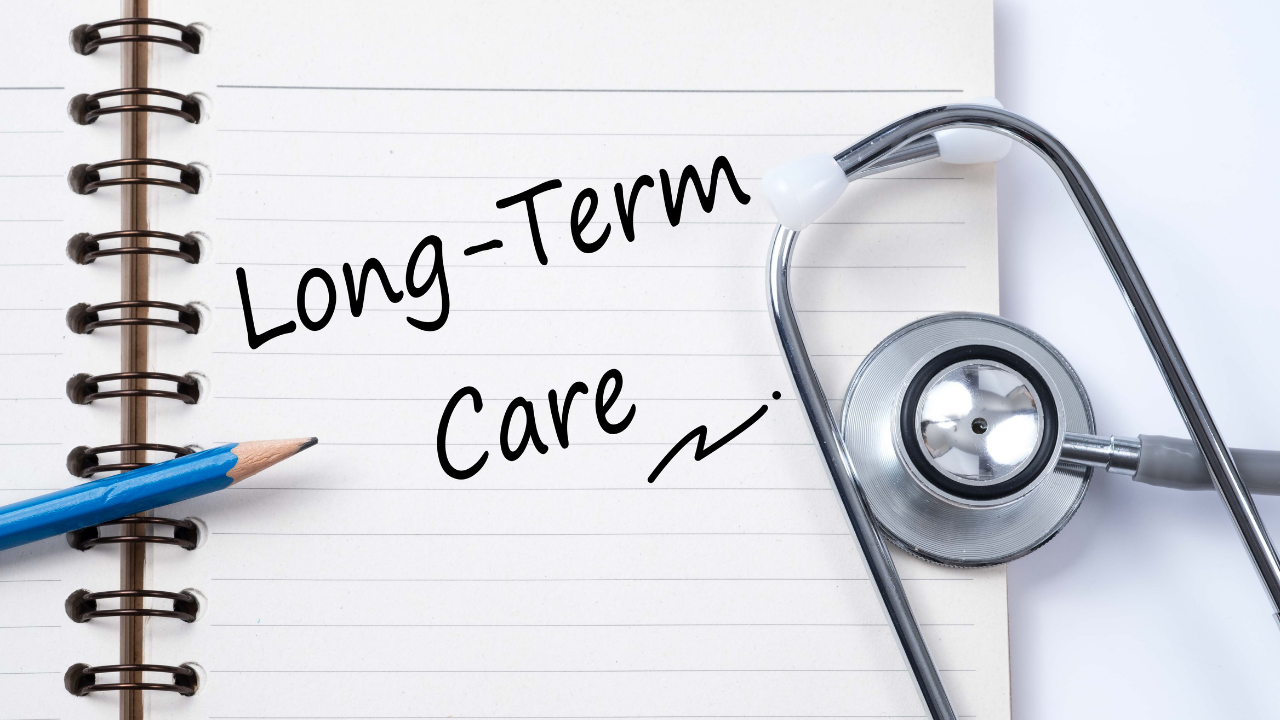
02 — Long-Term Care: The Retirement Risk Most People Delay Too Long
Long-term care is among the most significant financial risks facing pre-retirees, and it is also one where timing is critical. Traditional long-term care insurance is most accessible and affordable before health changes occur, typically in the late 50s to early 60s. The cost of waiting can include higher premiums, reduced coverage options, or an outright inability to qualify for coverage if health conditions emerge. Options to consider include standalone long-term care insurance policies, hybrid life insurance policies with long-term care riders, and self-funded strategies for those with sufficient investable assets. According to Genworth Financial's annual Cost of Care Survey, the median annual cost of a private room in a nursing home in the United States exceeded $100,000 as of recent published estimates, with home health aide costs also rising. These figures underscore the importance of having an explicit plan rather than assuming family members will provide care or that existing assets will absorb the expense without consequence to the broader retirement plan. Long-term care planning also intersects with estate planning and Medicaid eligibility considerations for those who may need them.
| Approach | Key Trade-Off |
|---|---|
| Standalone LTC policy | Dedicated coverage; premiums may increase over time |
| Hybrid life/LTC policy | Death benefit if care not needed; higher upfront cost |
| Annuity with LTC rider | Income floor with care benefit; less flexibility |
| Self-funding reserve | Full control; requires significant dedicated assets |
The right approach depends on health status, family history, asset levels, and retirement income structure. A comprehensive analysis is recommended before any decision.
03 — Disability Insurance: An Overlooked Risk in the Final Stretch
Many pre-retirees assume they no longer need to think about disability insurance as retirement approaches. However, a disabling event in the final few working years can be particularly damaging: it can interrupt peak earning years, force early Social Security claiming at a reduced benefit rate, trigger early withdrawal from retirement accounts, and derail plans that depend on several more years of contributions. If you rely on an employer's group disability plan, it is worth reviewing how much coverage you actually have and whether it covers your full compensation, including bonuses, deferred compensation, or equity income. For business owners or highly compensated professionals in Chester County, Delaware, or the broader PA/DE region who have not established individual disability policies, the window to do so at favorable rates is narrowing as age increases. Disability coverage should be reviewed alongside your anticipated retirement date, Social Security benefit analysis, and income sources to determine how much protection remains necessary and for how long.
Questions to Ask About Your Disability Coverage
- Does your group policy cover 60–70% of your total compensation, including variable income?
- Is the policy "own-occupation" or "any-occupation" in definition of disability?
- How long does coverage extend, and does it end at retirement age?
- Would a disability trigger early Social Security claiming or early IRA distributions?
- Does your coverage extend through your planned retirement date?
04 — Life Insurance: Reassessing Coverage as Needs Change
Life insurance needs often shift significantly as retirement approaches. Term policies taken out to cover income replacement for a young family may be expiring or no longer necessary if dependents are financially independent and significant assets have accumulated. Conversely, permanent life insurance may serve a continuing role in estate planning, wealth transfer, or providing a tax-efficient death benefit for a surviving spouse. Pre-retirees with employer-provided group life insurance should note that this coverage typically ends or decreases substantially upon retirement, often with an option to convert to individual coverage at rates that may be less competitive. Reviewing life insurance in this window should consider: whether existing coverage still matches your obligations, whether permanent insurance has a role in your estate or legacy plan, and whether any policy cash values represent an asset that should be factored into your broader financial picture. Our team at Brandywine Oak coordinates these considerations through the Family Wealth Plan process, examining insurance not as a product but as a component of a comprehensive strategy.
Life Insurance Review Framework for Pre-Retirees
- If you hold term coverage: Confirm expiration dates relative to retirement. If the term expires before key financial obligations are met, evaluate conversion or replacement options while insurability is not in question.
- If you hold permanent coverage: Review cash value, loan balances, and whether the death benefit still aligns with your estate and income replacement goals. Coordinate with estate planning documents.
- If coverage is employer-provided only: Understand your conversion rights. Group coverage typically ends or drops substantially at retirement, and conversion windows are time-limited after leaving employment.
Additional Risk Areas: Liability Protection and Asset Preservation
For high-net-worth pre-retirees, risk management extends beyond healthcare and income protection to preserving accumulated wealth from legal and liability exposures.
Umbrella Liability Coverage — Personal umbrella policies provide an additional layer of liability protection above and beyond auto and homeowners policies. For pre-retirees with significant accumulated assets, this coverage may offer meaningful protection against claims that could otherwise require liquidating investment accounts. Coverage limits and costs vary; a review of existing policies is a reasonable starting point.
Account Titling and Beneficiary Review — How investment accounts and insurance policies are titled, and who is named as beneficiary, can have significant implications for asset protection, estate administration, and tax treatment. Pre-retirement is an important time to audit beneficiary designations across all accounts, including retirement accounts, life insurance, and taxable investment accounts, ensuring they align with your current estate plan. This review connects directly to your estate planning strategy.
Cybersecurity and Identity Theft Risk — Pre-retirees and retirees are disproportionately targeted by financial fraud and identity theft schemes. Cyber liability and identity theft restoration coverage is increasingly available as a policy endorsement or standalone product. Beyond insurance, working with a financial team that applies rigorous account security protocols provides an additional layer of defense. Our clients benefit from our institutional custodian relationships, which incorporate multi-factor authentication and fraud monitoring.
If you are within five years of retirement and want to review your insurance and risk management picture as part of a coordinated plan, we welcome the conversation. Call (484) 785-0050, email contact@brandywineoak.com, or schedule a consultation online.
Brandywine Oak Private Wealth is a registered investment adviser. Registration does not imply a certain level of skill or training. Information presented is for educational purposes only and does not intend to make an offer or solicitation for the sale or purchase of any specific securities, investments, or investment strategies. Investments involve risk and, unless otherwise stated, are not guaranteed. Be sure to first consult with a qualified financial adviser and/or tax professional before implementing any strategy discussed herein. Past performance is not indicative of future performance.